University teaching
Undergraduate and postgraduate courses in philosophy, critical theory, drug policy, gender studies and qualitative methods. In person, hybrid or online.
Twenty-six years inside Mexican public higher education, and research that happens on the other side: drug policy, harm reduction, and the care practices that criminalised communities sustain without the state's permission.
What I teach Get in touch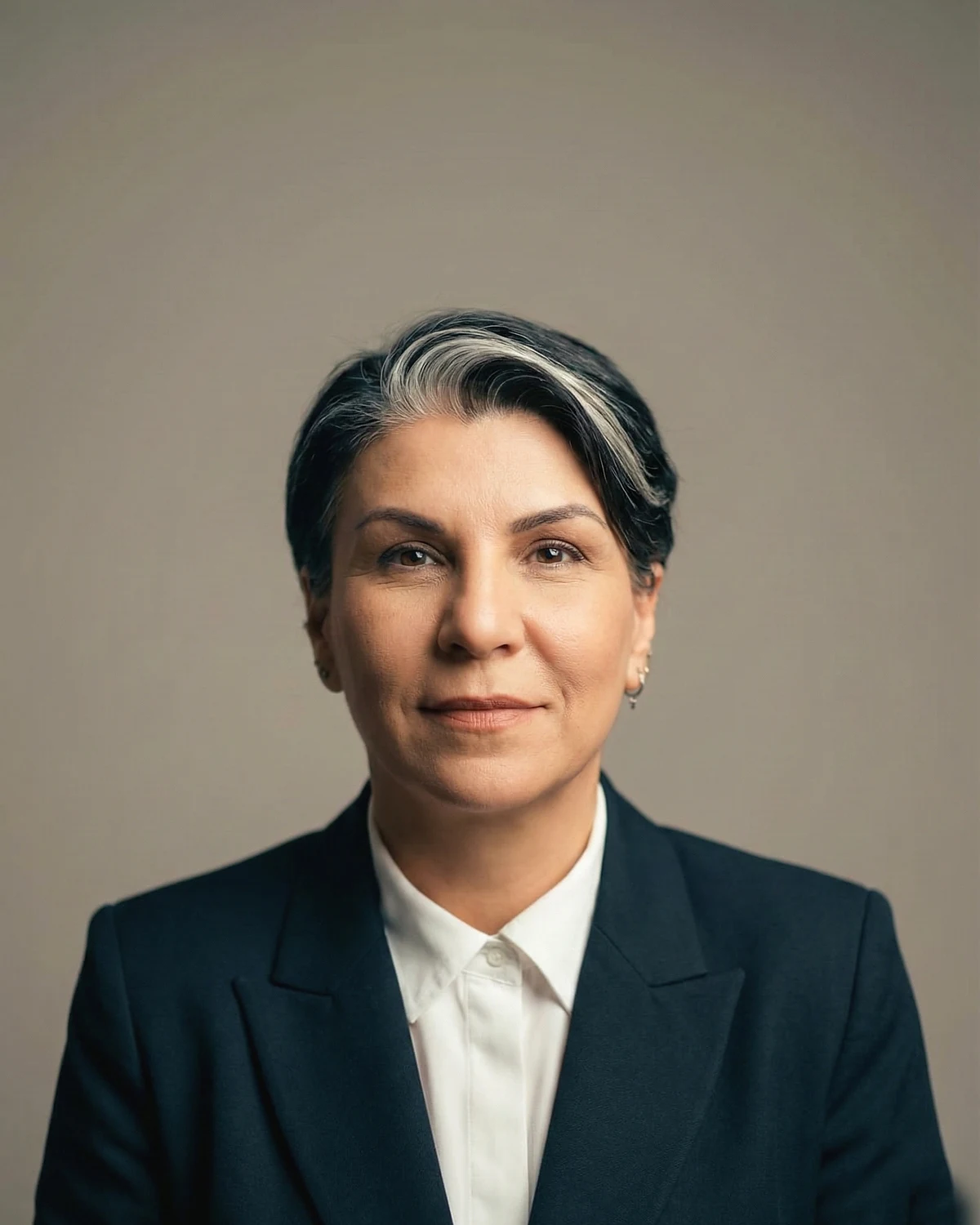
I hold a degree in Philosophy from the Universidad de Guadalajara and a master's in Critical Theory from 17, Instituto de Estudios Críticos, in Mexico City. My working life balances three things that rarely sit together: institutional management, academic research, and activism.
The day job is university administration — twenty-six years of it, in institutional statistics, international rankings, strategic planning, innovation, and federally funded programmes for inclusion. The research runs the other way: drug policy, harm reduction, and the practices of care that vulnerable populations build to survive state violence.
That double position is the point. I can read an institutional indicator and I can read a colorimetric test on an adulterated substance, and I argue that public policy only works when those two languages are made to talk to each other. My doctoral research, in preparation for the DECS programme at ITESO, is exactly that argument: Mexican drug policy suffers a chemical blindness — the state has no real-time toxicological screening, so it files complex poisonings under residual codes and misses adulteration with fentanyl, methamphetamine or xylazine — compounded by concealment for survival, as women and gender-dissident people avoid official health services for fear of extortion, prosecution, or losing custody of their children.
As an activist I work for an informed conversation about psychoactive substance use, grounded in scientific evidence and human rights. That horizontal stance runs through how I advise civil society organisations and how I teach: start from what the group already knows and put it in conversation with theory, rather than delivering closed content.
In 2023 I became the first person in Jalisco to obtain a birth certificate with a non-binary gender marker. It is not a loose biographical fact: the question of who counts as a subject of rights runs through everything I research, manage and teach.
Undergraduate and postgraduate courses in philosophy, critical theory, drug policy, gender studies and qualitative methods. In person, hybrid or online.
Four modular programmes, four or eight sessions each, ready to be offered by institutes, postgraduate programmes and critical-education platforms.
Community and technical training in harm reduction, drug checking, inclusive language and gender diversity, disability and accessibility.
Policy evaluation, indicator design, strategic planning, institutional innovation and management of federally funded programmes.
Panels, conferences, moderation, and the production of hybrid forums and national gatherings.
This English section is condensed. The Spanish site carries the complete catalogue of courses, the full employment history, every publication and the press coverage.
Spanish siteFull CV